
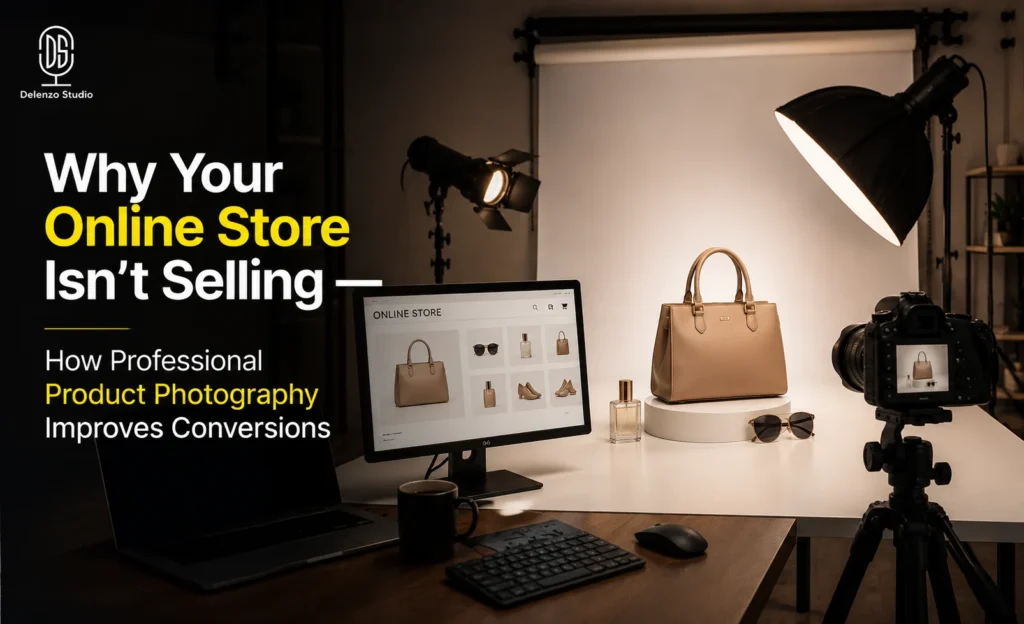
Most online stores in Pakistan are struggling with conversion and professional product photography is usually the missing piece. You’ve set up the store, listed the products, and you’re even running ads. But the sales still aren’t coming in the way you expected. Most sellers assume the problem is pricing or traffic. In most cases, it isn’t either of those things. The real problem is sitting right on the product listing page in the photos. This is especially true for anyone running an ecommerce product photography setup without proper lighting or studio support. Buyers online cannot touch your product. They cannot feel the fabric, check the weight, or examine the finish. All they have are your images. So when those images are blurry or inconsistent, trust breaks down instantly.
This guide breaks down what bad imagery costs you, what each image type delivers for your online store conversions, and how sellers in Lahore are fixing this.
What Bad Product Photography Actually Costs You
Most sellers focus on what they can measure ad spend, traffic, price. But poor imagery causes losses that never show up in a dashboard. They happen quietly, before a buyer ever reaches the checkout.
Lost Sales You Never Know About
A potential customer visits your Daraz or Shopify listing. The photo is dark. The product looks smaller than expected. The background is distracting. They scroll past. You never know they were there. This happens hundreds of times a day across Pakistani ecommerce product photography listings that simply aren’t ready to compete.
Studies consistently show that product images are the single biggest factor in online purchase decisions. Buyers make that call in under three seconds. If your image doesn’t immediately say “this is worth my money,” they leave.
Sellers doing Daraz product photography on smartphones in poor lighting are losing buyers not to competitors with better prices — but to competitors with better images.
Returns That Eat Your Margins
Unclear photos lead to mismatched expectations. A customer orders a jacket thinking it’s charcoal grey. It arrives looking closer to black. They return it. You cover the logistics. Your rating drops. This cycle repeats.
Correct color accuracy in images isn’t just aesthetics. It’s a returns management strategy. Sellers who invest in calibrated, color-accurate shots see measurable reductions in return rates. That directly protects margins, especially for sellers scaling on platforms like Amazon product photography Pakistan or cross-border ecommerce.
Brand Positioning You Lose Before Anyone Reads Your Name
Imagine two listings for the same product at the same price. One has clean, studio-quality images. The other has flat, inconsistent phone shots. Every buyer instinctively trusts the first one more. Not because they’ve read anything. Just from the image.
Brand positioning is largely visual before it’s verbal. Brands that invest in proper product photography for online store listings immediately signal quality, reliability, and professionalism. That signal reaches buyers before a single word is read.
What Professional Product Photography Actually Changes
Good professional product photography is not just about making things look nice. It’s a structured system of image types, each designed to answer a specific buyer question. Here’s a quick breakdown:
- Hero Shot — clean white background product photography that drives click-through from search results
- Detail Shot — zoomed-in image that removes quality doubts after the click
- Lifestyle Shot — shows the product in real use, builds emotional connection and context
- 360 / Multi-Angle Set — covers every side of the product and eliminates pre-purchase objections
Here’s exactly what each one does and why it matters.
The Hero Shot (White Background)
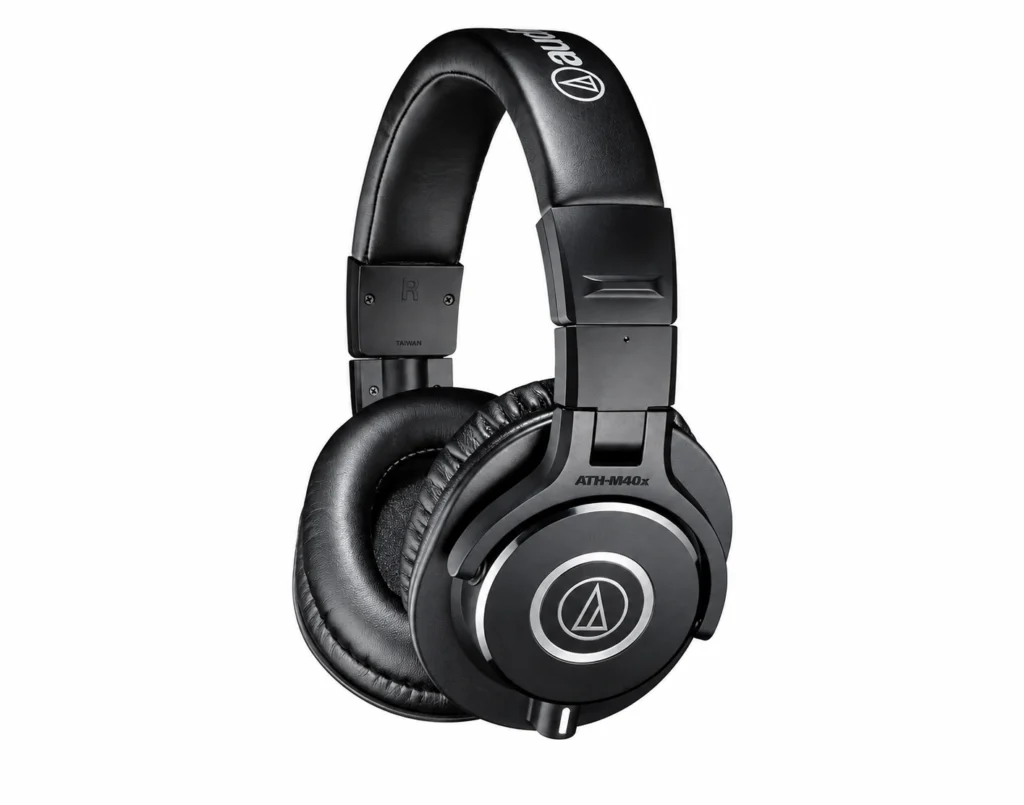
The hero shot is your primary listing image. It’s the one that appears in search results and category pages. It needs to be clean, uncluttered, and instantly recognizable.
White background product photography is the standard across all major platforms — Daraz, Amazon, Shopify, and eBay. It eliminates distractions, puts full focus on the product, and maintains consistency across your catalog. A well-executed hero shot does one job: it makes the buyer click.
Mobile product photography with a phone camera and a bedsheet backdrop does not replicate this. Studio lighting, correct white balance, and post-processing are what create the crisp, platform-ready result that converts.
The Detail Shot
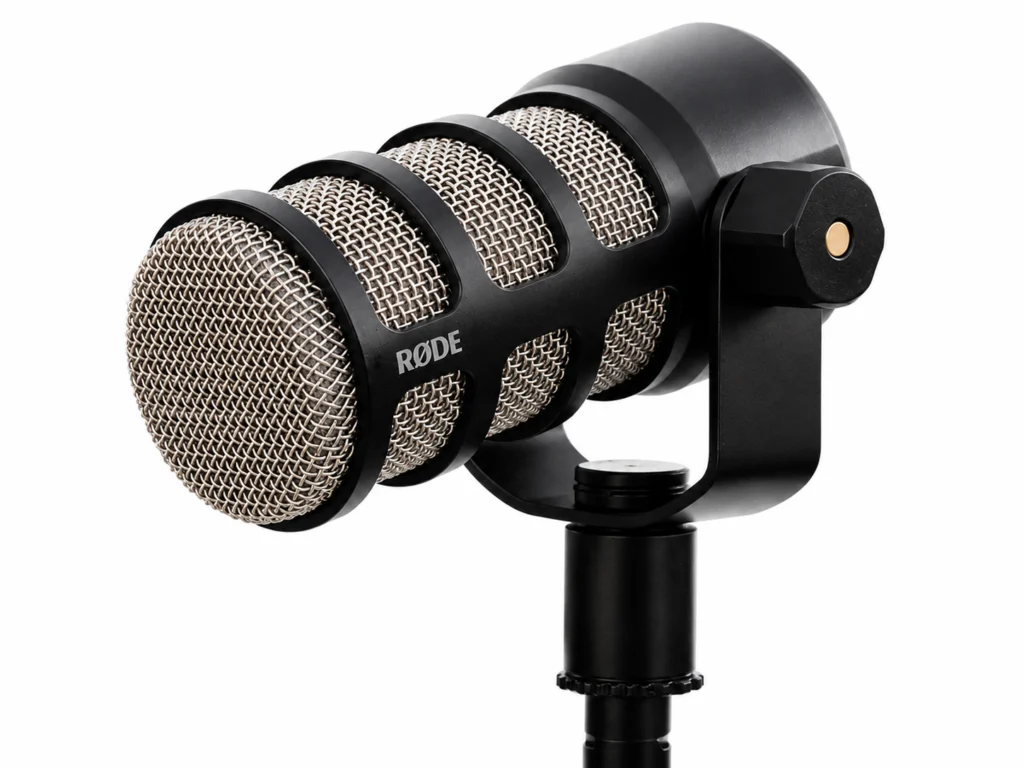
Once a buyer clicks through, they want to examine the product. They want to see texture, stitching, buttons, labels, or material quality. That’s what detail shots are for.
A zoomed-in, well-lit detail image answers the question the buyer is forming: “Is this actually good quality?” Without it, they’re guessing — and uncertain buyers don’t buy.
Sellers applying these ecommerce photography tips 2026 standards see stronger click-to-purchase rates because they’re removing doubt at every step of the decision process.
The Lifestyle Shot

The lifestyle shot shows the product in actual use. It creates context and emotional connection. A skincare product placed on a clean bathroom shelf feels more premium than the same product shot in isolation. A pair of shoes styled on a person walking in Lahore’s Model Town feels more real than a flat shoe on a white surface.
Lifestyle images answer the question buyers are really asking: can I picture myself using this? When the answer is yes, conversion rates rise. This is especially important for product photography for online store listings in fashion, home goods, beauty, and food categories.
The 360-Degree or Multi-Angle Set
Multi-angle sets and 360-degree images are the closest thing to picking up a product in a physical store. They let buyers examine the product from every side. Front, back, sides, top, and base each angle removes a potential objection.
Platforms like Amazon actively reward listings with six or more images. On Daraz product photography listings, sellers with complete image sets consistently outperform those with one or two images, even when the underlying product is identical.
For categories like electronics, bags, shoes, and home decor, multi-angle sets are not optional. They’re a core requirement for competitive listings.
The Most Common Product Photography Mistakes Killing Conversions
Even sellers who invest in photography often make errors that quietly undermine results. Spotting them early saves you lost sales and wasted ad spend. Here are the five most common ones and how to fix each.
Inconsistent Lighting Across the Catalog
The problem: Shooting one product in natural sunlight and another under office LEDs makes your catalog look like it came from different sellers.
The fix: Use a consistent lighting recipe with the same softboxes or LED panels for every shoot. A reliable studio lighting setup keeps every image on-brand and your catalog looking cohesive.
Wrong Background for the Platform
The problem: Using the wrong background on your main listing image violates platform rules and triggers listing suppression.
The fix: For Amazon and Daraz, the primary image must use pure white background product photography (RGB 255,255,255). Secondary images, lifestyle and contextual shots are not only allowed but encouraged to use colored or styled backgrounds to help buyers visualize the product in use.
Incorrect Color Accuracy
The problem: Phone cameras boost saturation automatically, shifting product colours and driving “not as described” returns.
The fix: Use manual white balance and a color-checker card during the shoot. Professional product photography relies on calibrated colour profiles not auto-processing so the digital image matches the physical product exactly.
Too Few Images Per SKU
The problem: Too few images leave buyers with unanswered questions at the exact moment they’re deciding whether to purchase.
The fix: The standard for ecommerce product photography is shifting toward six to ten images for complex or high-ticket items. Cover white-background views, lifestyle shots that show scale, close-up detail shots, and infographics with dimensions or key features.
Overlooking Image SEO
The problem: Unoptimized file names and missing alt text make your listing invisible to both Google and platform search algorithms.
The fix: Following ecommerce photography tips 2026 means renaming files descriptively (e.g., blue-leather-handbag-front), writing clear human-readable alt text, and compressing images without losing quality. Page load speed is a ranking factor large unoptimized files work against you.
Best Professional Product Photography Studio in Lahore
For sellers and brands in Lahore, Delenzo Studio in Gulberg V is a purpose-built studio for ecommerce product photography and brand shoots. Here is everything you need to know before booking.
Studio Location: Office 906, 9th Floor, High Q Tower, Jail Road, Gulberg V, Lahore. Easily reachable from DHA, Model Town, Johar Town, and Cantt.
Equipment and Setup: Sony A7III cameras, professional studio lighting, and multiple backdrop options all calibrated for platform-ready results.
Packages and Pricing
| Package | Includes | Price per Product |
| Images Only | Clean white background product photography | PKR 2,500 |
| Images with Props | Styled setup with props | PKR 3,500 |
| Images + Reels | Combined photo and video content | PKR 4,500 |
Platforms Covered: Daraz product photography, Amazon product photography Pakistan, Shopify, Instagram, and brand campaign shoots all covered in a single session.
What Every Session Includes: Edited, color-corrected, and platform-ready files. Hero shots, detailed images, lifestyle shots, and multi-angle sets all handled in one visit.
Turnaround Time: Same-week delivery on fully edited files. Ideal for sellers on tight launch timelines or scaling their product photography for online store listings quickly.
How to book: WhatsApp: +92 325 1111082
Website: delenzostudio.com.pk
Conclusion
Your store is not failing because of your product. It is failing because buyers cannot see it clearly enough to trust it.
Professional product photography removes that barrier. The right hero shot gets the click. The detailed shot builds confidence. The lifestyle image creates connection. The multi-angle set eliminates doubt.
For sellers in Pakistan competing on Daraz, Amazon, or Shopify, better images are the fastest way to improve online store conversions without touching your ad budget.
Start with the images. Sellers who get this right consistently rank among the best product photography in Pakistan results and their conversion rates show it. See exactly how Delenzo Studio packages and pricing work before you book.
Frequently Asked Questions
Strong images build instant trust. Buyers decide in under three seconds. Clean, well-lit product photography for online store listings removes doubt and gives buyers the confidence to purchase without hesitation.
Inaccurate colour and unclear details create mismatched expectations. When the product arrives looking different from the listing image, buyers return it. Calibrated professional product photography ensures what they see matches what they receive.
The current standard for competitive ecommerce product photography is six to ten images per SKU. Cover hero, detail, lifestyle, multi-angle, and infographic shots to answer every buyer question before checkout.
A product-only image shows the item on a clean background. A lifestyle image shows it in real use. Both serve different buyer needs. Together they improve click-through rates and online store conversions significantly.
Yes. Poor images cost more in lost sales and returns than a studio session ever will. Product photography Lahore services at Delenzo Studio start at PKR 2,500 per product with platform-ready files delivered the same week.